You do not have to be a history buff to feel the pull of an older home in Stillwater. From compact cottages to detailed Victorian houses, the city offers a kind of character that newer construction rarely matches. If you are thinking about buying here, it helps to know what these historic styles actually offer in daily life, what kind of upkeep they may require, and where local preservation rules can come into play. Let’s dive in.
Why Stillwater Has So Many Historic Homes
Stillwater’s housing story starts early. The city was founded in 1843, and its location along the St. Croix River helped it grow through the lumber economy that made it the world’s largest lumber producer in the 1880s.
That history still shows up in the homes you see today. Local materials like white pine and limestone foundations, along with narrow lots, bluffline sites, ravines, and compact block patterns, helped shape the close-knit streetscapes that make Stillwater feel distinct.
The city has also worked to preserve that character over time. Neighborhood surveys, walking tours, historic districts, and the Heritage Preservation Commission all play a role in how historic areas are documented and reviewed.
Vernacular Homes Offer Simplicity
Some of Stillwater’s earliest houses are modest vernacular homes. These are often 1 1/2-story houses with simple rectangular or L-shaped forms, gable roofs, and very little ornament.
If you want historic character without the visual complexity of a grand Victorian, this style can be appealing. These homes often have a more manageable footprint and a simpler exterior, which can feel easier to live with day to day.
That said, simple does not mean maintenance-free. Older systems, windows, roofs, and exterior materials may still need thoughtful care.
Greek Revival Feels Formal And Classic
Greek Revival homes bring a more symmetrical and formal look. In Stillwater, they often feature low-pitched gables, columns or pilasters, sidelights, and restrained trim.
For buyers, the draw is often the clean, timeless façade. These homes tend to have a strong sense of age and a quiet architectural presence that stands out without a lot of decoration.
The main tradeoff is age. Some of these are among the oldest homes in the city, so condition, prior updates, and long-term maintenance become especially important.
Italianate Homes Bring Visual Presence
Italianate homes are usually easy to spot once you know the basics. They often have a boxy two-story form, shallow hip roofs, bracketed eaves, and tall, decorative window and door openings.
If you like a house with a strong street presence, this style can deliver. Italianate homes often feel substantial, and their taller proportions can create interiors that feel airy and dramatic.
The tradeoff is exterior detail. Roofline brackets, trim, and decorative elements may require more upkeep than a simpler house would.
Queen Anne Homes Max Out Character
When many people picture a historic Stillwater home, they are probably imagining some version of a Queen Anne or another late-Victorian style. These homes often feature asymmetrical façades, turrets, wraparound porches, decorative shingles, and varied rooflines.
If your goal is maximum period charm, this category usually delivers the strongest experience. These homes can feel special from the curb all the way through the interior.
They also tend to demand the most exterior upkeep. Complex roofs, decorative trim, and large porches create more surfaces and details that need regular attention.
Gothic Revival, Second Empire, And Eastlake
Stillwater’s architectural variety goes beyond the best-known styles. Gothic Revival homes often feature steep gables and pointed openings, Second Empire homes are known for mansard roofs and bracketed eaves, and Stick or Eastlake houses use exposed trusses, patterned trim, and decorative surface treatment.
These styles add a lot to the city’s visual texture. They are often some of the most photogenic homes in town and can be especially appealing if you want a property with a distinctive look.
The practical side is similar to other ornate historic homes. Specialized roofs, porches, and trim details can take more planning and more investment to repair well.
Craftsman And Foursquare Balance Character
By the early 20th century, Stillwater also saw simpler forms like Craftsman and American Foursquare homes. American Foursquares are generally square, two- or two-and-a-half-story houses with low hipped roofs, hipped dormers, and full front porches.
For many buyers, these styles hit a sweet spot. You still get historic character, but often with less ornament and a more practical layout than some of the earlier Victorian houses.
That can make them a strong option if you want an older home without taking on the highest-maintenance exterior profile. They are still older properties, though, so systems and building materials deserve close review.
What Historic Homes Offer Day To Day
In real life, living in a historic home is usually less about the style name and more about how the property has been cared for. The biggest practical issue is ongoing maintenance.
Preservation guidance emphasizes repair over wholesale replacement. Older homes need regular attention, and there is no truly maintenance-free approach to caring for a historic building.
In Stillwater, that often means paying close attention to roofs, exterior paint, windows, trim, and porches. Wood-frame homes in particular can require steady upkeep to stay in good shape.
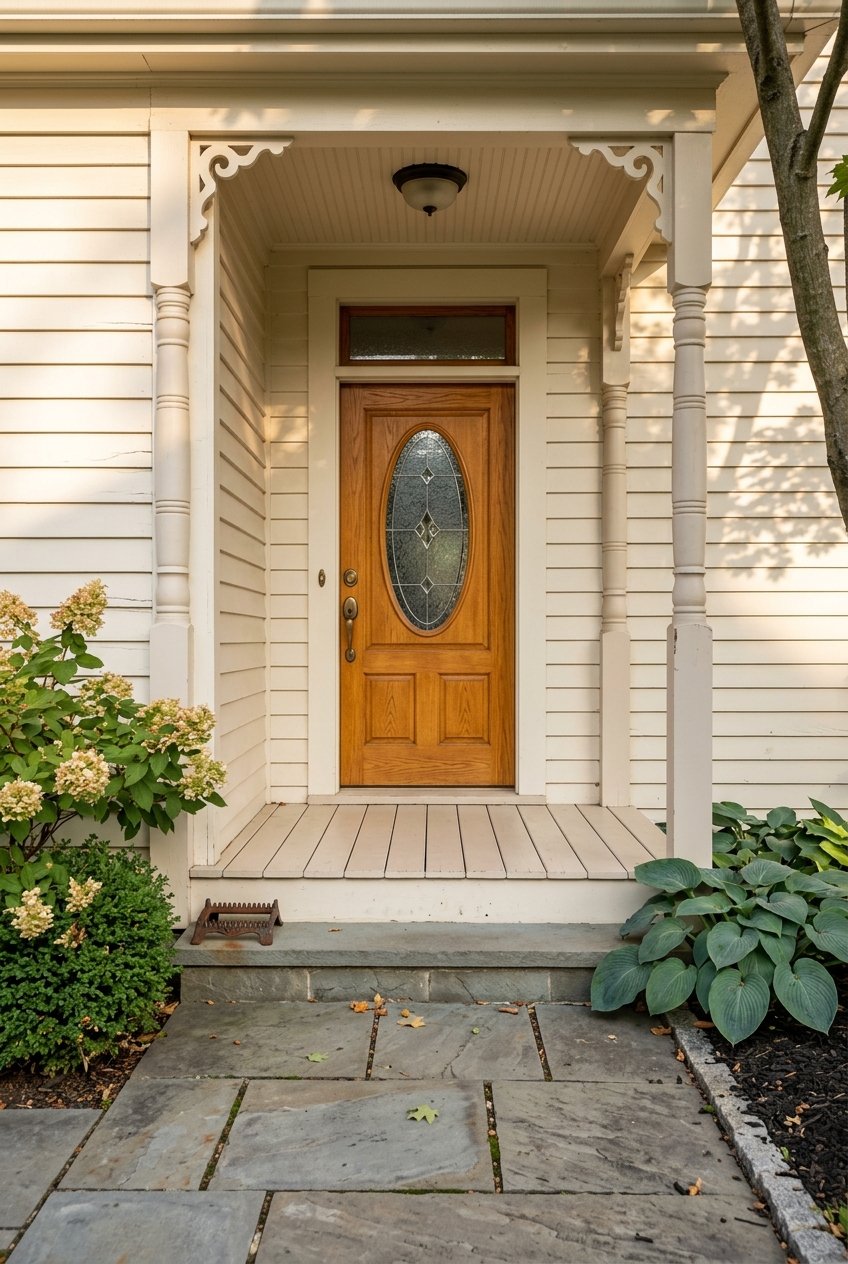
Porches deserve special mention because they are such a visible part of many Stillwater homes. Open wood porches are exposed to sun, snow, rain, and foot traffic, which makes them especially vulnerable to wear and decay over time.
Which Styles Are Easiest To Maintain?
If you are trying to balance charm with practicality, the simpler vernacular houses and many early-20th-century homes often come out ahead. In general, they offer historic appeal with fewer decorative elements to maintain.
That does not mean they will be inexpensive to own. It just means the exterior may be less complex than a Queen Anne or another highly ornamented Victorian house.
On the other end of the spectrum, the most elaborate homes usually create the strongest period feel, but they also tend to bring the highest maintenance load. If you love that look, it is worth going in with clear eyes.
Can You Modernize A Historic Home?
Yes, in many cases you can. Preservation standards allow sensitive upgrades to mechanical, electrical, and plumbing systems, along with other code-related work.
That is good news if you love old-house character but still want modern comfort. The usual goal is to keep character-defining exterior features intact while improving the systems that support daily living.
For buyers, that makes it important to look beyond style alone. Ask how much original material remains, whether additions were done well, and what key updates have already been completed.
How Stillwater Historic Rules Work
If a home is locally designated or located in a local historic district, exterior changes may be subject to local review. In Stillwater, significant exterior work must meet preservation guidelines and be approved by the Heritage Preservation Commission.
That does not mean you cannot make changes. The city states that local designation does not prohibit changes, does not require restoration, and does not review interior work.
Routine maintenance is generally handled at the staff level. For buyers, the key point is that local historic status matters most when you are planning exterior changes.
National Register And Tax Questions
It is also important to understand that local designation and National Register listing are not the same thing. According to Minnesota SHPO, National Register listing by itself does not restrict an owner’s right to alter or dispose of the property unless federal funding, licensing, or permitting is involved.
Taxes are another common question. Stillwater says buildings in historic districts are taxed no differently than other properties.
Buyers sometimes also assume that owning a historic house automatically creates access to tax credits. In Minnesota, the current Historic Structure Rehabilitation Credit offers a 20% state credit for qualified projects, but the work must be certified before it begins, the completed property must be income-producing, and a private owner-occupied residence does not qualify.
What To Look For Before You Buy
When you tour a historic home in Stillwater, focus on the details that affect daily ownership. Style matters, but condition matters more.
Here are a few smart questions to keep in mind:
- How much of the original exterior and interior character remains?
- Have major systems like electrical, plumbing, and mechanicals been updated?
- What condition are the roof, windows, trim, and porch in?
- Were additions or exterior changes done in a way that fits the home well?
- Is the property locally designated or located in a district with exterior review?
A well-cared-for historic home can offer a hard-to-copy mix of architecture, setting, and personality. The right fit depends on how much character you want, how much upkeep you are comfortable with, and how you plan to live in the home over time.
If you are weighing historic homes in Stillwater and want practical, neighborhood-level guidance, Matthew Vorwerk can help you compare options and make a confident move.
FAQs
What historic home styles are common in Stillwater?
- Buyers in Stillwater are likely to see vernacular workers’ houses, Greek Revival, Italianate, Queen Anne and other late-Victorian styles, Gothic Revival, Second Empire, Stick or Eastlake, Craftsman, and American Foursquare homes.
Which Stillwater historic home style usually has the least exterior fuss?
- Simpler vernacular houses and many early-20th-century homes like Craftsman and American Foursquare styles usually offer historic character with less exterior ornament to maintain.
Which Stillwater historic home style is usually the most maintenance-intensive?
- Queen Anne and other ornate Victorian homes are often the most maintenance-intensive because they commonly combine complex roofs, decorative trim, shingles, and prominent porches.
Can you update systems in a historic home in Stillwater?
- Yes. Sensitive upgrades to mechanical, electrical, plumbing, and other code-related systems are generally allowed when the home’s character-defining features are preserved.
Do Stillwater historic district rules affect interior remodeling?
- The city says local designation does not review interior work, though significant exterior changes may require review and approval.
Are historic homes in Stillwater taxed differently?
- No. Stillwater states that buildings in historic districts are taxed no differently than other properties.
Does National Register listing limit what you can do with a Stillwater house?
- Minnesota SHPO says National Register listing alone does not restrict an owner’s right to alter or dispose of the property unless federal funding, licensing, or permitting is involved.
Can an owner-occupied historic home in Stillwater qualify for the Minnesota rehabilitation credit?
- No. Minnesota SHPO states that the current state Historic Structure Rehabilitation Credit applies to qualified certified projects on income-producing properties, and private owner-occupied residences do not qualify.