If you are searching for acreage near Lake Elmo, it helps to know that “more land” does not always mean “more freedom.” Two properties with similar lot sizes can come with very different rules, utility setups, and building options. When you understand those differences early, you can shop with more confidence and avoid surprises after closing. Let’s dive in.
Why acreage near Lake Elmo stands out
Lake Elmo sits in Washington County, roughly between downtown Saint Paul and the St. Croix River Valley. That location gives you a mix many buyers want: more space, a more rural feel in some areas, and convenient access to the East Metro.
The city also highlights natural scenery, outdoor recreation, and rural amenities alongside suburban convenience. Its park system supports activities like hiking, cross-country skiing, horseback riding, picnicking, and nature appreciation, which helps explain why acreage properties appeal to buyers looking for both space and accessibility.
Acreage can mean different things here
One of the biggest things to understand is that acreage near Lake Elmo is not one single property type. The city’s January 2026 zoning map includes rural transitional, agricultural, rural residential, rural single-family, residential estate, and shoreland overlay districts.
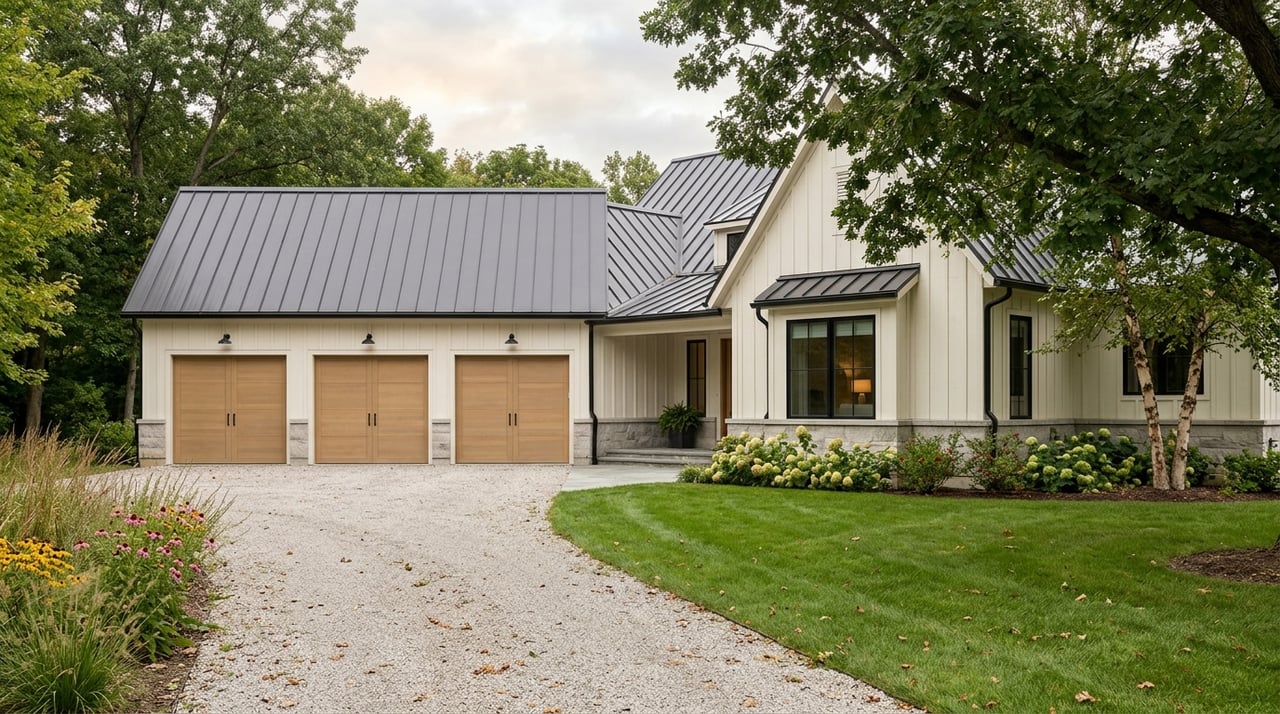
In practical terms, that means one acreage property may function like a large residential homesite, while another may come with very different land-use rules. You may also come across parcels with detached garages, pole buildings, workshops, or other hobby-oriented outbuildings, which is often a major reason buyers are drawn to this segment.
Zoning matters as much as lot size
Lake Elmo’s planning and zoning department oversees zoning, comprehensive planning, variances, conditional use permits, annexations, and subdivisions. For you as a buyer, that means the parcel’s exact zoning district matters just as much as the number of acres on paper.
A large lot can look ideal at first glance, but your plans for it may depend on the district rules. If you are thinking about future additions, a shop, a greenhouse, or a different use for the land, zoning should be one of your first checkpoints.
Second dwellings are not a safe assumption
Lake Elmo’s rural district table allows single-family detached dwellings across the rural district categories, but secondary dwellings appear only in the agricultural district column. That is a major detail if you are considering a guesthouse, separate living quarters, or a similar setup.
The simple takeaway is this: do not assume a second dwelling is allowed just because the lot is large. You will want to verify the exact district and any related conditions before you move forward.
Accessory buildings deserve close review
For many acreage buyers, the land is only part of the appeal. You may be looking for room for a detached garage, pole building, workshop, greenhouse, swimming pool, gazebo, or agricultural building. In Lake Elmo, those features are a major part of the conversation.
The city’s rural accessory-building guidance shows that these improvements are regulated in specific ways. That matters whether you want immediate functionality or you are planning improvements over time.
Permit rules can affect your plans
Lake Elmo requires a building permit for accessory buildings larger than 200 square feet. A zoning permit is required for accessory buildings of 200 square feet or less.
The application also needs details such as structure sizes, setbacks, impervious-surface calculations, and easements. Accessory buildings cannot be placed within utility or drainage easements, and owners are responsible for verifying property lines.
Allowed size often depends on acreage
Lake Elmo scales accessory-structure allowances by lot size. The city allows up to 1,200 square feet on lots under 1 acre, 2,000 square feet on 5 to 9.99 acres, 4,000 square feet on 20 to 39.99 acres, and unregulated accessory-structure size and count on 40-plus-acre lots.
The city also notes that one agricultural building may be allowed in addition to the accessory-structure limits. If your goal is flexible storage, hobby space, or project space, this is one of the most important areas to review before making an offer.
Utilities can vary from property to property
Acreage buyers often assume that larger parcels follow the same utility pattern across a market. Near Lake Elmo, that is not always the case.
The city says utility services are billed quarterly for properties connected to city water or sewer, while properties with no city utility connections are billed annually for stormwater only. That is a strong sign that utility service levels can vary parcel by parcel, even within the same general area.
Ask early about water and sewer service
Before you fall in love with a property, confirm whether it is connected to city water, city sewer, both, or neither. This can shape your monthly costs, maintenance responsibilities, and future improvement plans.
If the property is not connected to city utilities, you will want to understand the private systems serving the home and whether records are available.
Wells and septic need extra attention
Private systems are common on acreage properties, and they deserve early review. A little upfront homework can help you better understand both the property’s condition and your future responsibilities.
What to know about private wells
Minnesota law requires a seller to disclose the number and status of all wells on a property and provide a sketch map showing their locations. The Minnesota Department of Health also says well status matters because a well may be in use, not in use, or sealed.
As a buyer, it is smart to ask for well construction records, sealing records, water-testing reports, and maintenance records. Those documents can give you a clearer picture of the property before closing.
What to know about septic systems
Washington County requires a septic permit to install new septic tanks or soil treatment areas, repair or modify existing systems, or change the facility served by the system. The county also says a septic compliance inspection must be performed when a property with a septic system is sold, unless there is already a recent inspection or certificate of compliance.
That inspection must be scheduled with a licensed compliance inspector. If a home you like has septic, make sure you understand the timing, status, and results of that review as part of your due diligence.
Road access can shape future use
Driveway access may not sound exciting, but it can be one of the most important details on an acreage property. In some cases, access affects what can be built, expanded, or changed later.
Washington County requires an access permit for any new field entrance, driveway, commercial or construction access, or private or public street connection to a county highway. Permits are also required for changes in use or modifications to an existing access.
If you are considering future outbuildings, a new home placement, or a major change to site use, road access should be part of your early review.
Shoreland and wetlands can limit improvements
Some acreage parcels near Lake Elmo include environmental features that affect how the land can be used. These issues do not automatically make a property less desirable, but they do make careful review more important.
Shoreland overlay requires a closer look
Minnesota shoreland rules apply only to lakes and rivers that the Department of Natural Resources has assigned a shoreland classification. Those rules can affect minimum lot area, lot width, structure setbacks, septic setbacks, and the shore impact zone.
The DNR also notes that local governments, not the DNR, make land-use decisions in shoreland areas. Because Lake Elmo’s zoning map includes a shoreland overlay district, lake-adjacent acreage parcels deserve extra review before you assume a barn, addition, grading project, or other change will be simple.
Wetlands may affect what you can do
The Washington Conservation District says all wetlands are protected under state law, even those without open water. Draining, filling, or excavating wetlands can require approval or permits at the local, state, and federal levels.
Many wetland-alteration applications go through Wetland Conservation Act review and may involve additional agencies depending on the project. If a parcel includes low areas, wet ground, or possible wetland features, it is worth investigating before you make plans around expansion or site work.
A survey or site plan is often worth it
Because Lake Elmo’s accessory-building application requires property lines, setbacks, impervious-surface calculations, and easements, a survey or site plan is often a practical first step. This is especially true if you are buying with plans for a barn, shop, addition, patio expansion, or other land improvement.
On acreage properties, the house is only part of the purchase. The layout and legal constraints of the land itself can shape how useful the property will be to you over time.
Smart questions to ask before you buy
When you tour acreage properties near Lake Elmo, these are some of the most useful questions to keep in mind:
- What is the exact zoning district for this parcel?
- Is the property in a shoreland overlay area?
- Are there wetlands, easements, or setback issues that affect future improvements?
- Is the home connected to city water and sewer?
- If there is a private well, what records and disclosures are available?
- If there is a septic system, is there a current compliance inspection or certificate?
- What accessory buildings already exist, and were permits required?
- How much additional accessory-structure space may be allowed based on lot size?
- Does the driveway or road connection involve county access permitting?
Final thoughts on buying acreage near Lake Elmo
Acreage near Lake Elmo can offer a great mix of space, privacy, flexibility, and access to the East Metro. But the word “acreage” covers a wide range of property types, and the day-to-day ownership experience can vary a lot from one parcel to the next.
The most successful buyers usually look beyond acreage count alone. They focus on zoning, utility status, well and septic history, access, overlays, and building allowances early in the process so they can make a confident decision.
If you want help evaluating acreage and lifestyle properties in the east metro, Matthew Vorwerk can help you sort through the details and find a property that fits the way you actually want to live.
FAQs
What makes acreage properties near Lake Elmo different from one another?
- Acreage properties near Lake Elmo can fall into different zoning districts, including agricultural, rural residential, residential estate, and shoreland overlay areas, so the rules and use options can vary widely from parcel to parcel.
What should you check about zoning on a Lake Elmo acreage property?
- You should verify the exact zoning district, because zoning affects whether certain uses, additional dwellings, and future improvements may be allowed.
Are guesthouses or second dwellings allowed on all acreage properties near Lake Elmo?
- No. Lake Elmo’s rural district table shows secondary dwellings only in the agricultural district column, so you should confirm what is allowed on the specific parcel.
What permits matter for accessory buildings on Lake Elmo acreage?
- In Lake Elmo, accessory buildings over 200 square feet require a building permit, and those 200 square feet or smaller require a zoning permit.
Why should buyers ask about wells on acreage properties in Minnesota?
- Minnesota law requires sellers to disclose the number and status of wells and provide a sketch map, and buyers should also request records such as construction, sealing, water-testing, and maintenance documents.
What septic rule applies when buying a property in Washington County?
- Washington County says a septic compliance inspection is required when a property with a septic system is sold unless a recent inspection or certificate of compliance is already in place.
How can shoreland or wetlands affect acreage near Lake Elmo?
- Shoreland rules and wetland protections can limit setbacks, grading, septic placement, and other improvements, so lake-adjacent or environmentally sensitive parcels usually need extra review.
Why is a survey or site plan useful for acreage buyers near Lake Elmo?
- A survey or site plan can help you understand property lines, setbacks, easements, and improvement constraints before you commit to building or expanding structures on the land.