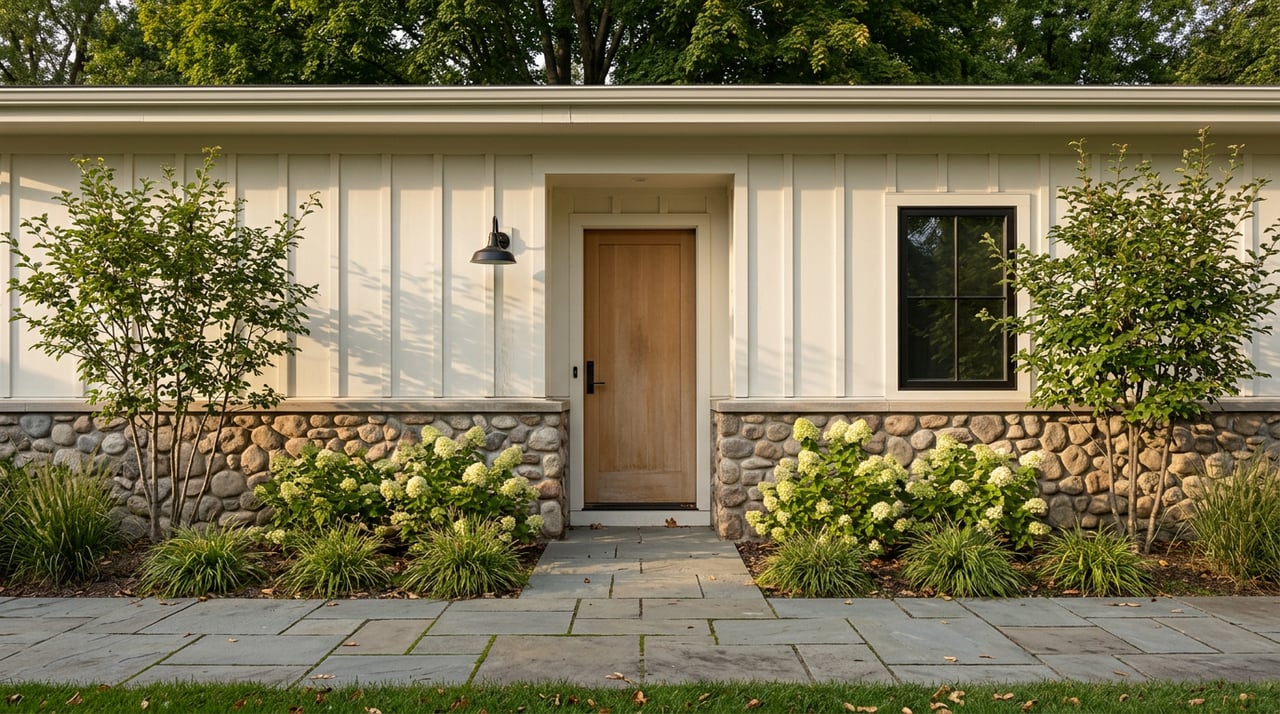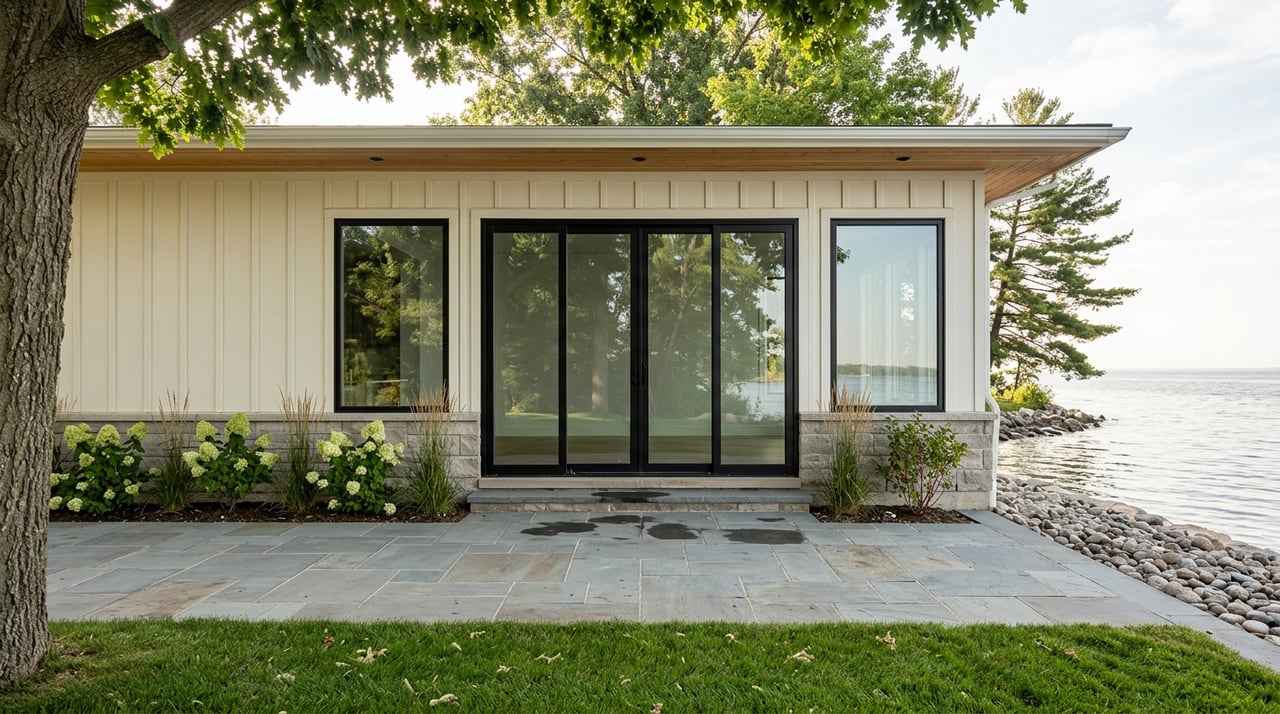
Picture your morning coffee overlooking the St. Croix or a sunset walk across your own wooded acres. If you are drawn to water, privacy, or both, Stillwater offers rare options that feel like a true escape close to the Twin Cities. Buying along the river or on acreage does come with extra rules and checks, but with the right plan you can move forward with confidence. This guide gives you a clear path through pricing, permits, septic and well considerations, docks, flood maps, and timing. Let’s dive in.
Why Stillwater waterfront and acreage stand out
Stillwater sits on the scenic St. Croix River and the Lake St. Croix corridor, with downtown riverfront, nearby lakes and tributaries, and a mix of suburban and rural parcels. You will find public launches, transient slips, and marinas that make getting on the water simple for residents and visitors. Explore the area’s on‑the‑water options to understand how public resources complement private ownership and dock needs by reviewing Stillwater’s guide to public river access and marinas.
Acreage buyers also have choices just beyond the city, including parcels in Washington County townships and neighboring communities. These areas often feature larger lots, wooded settings, and space for hobbies or future outbuildings. With more land comes more site-specific due diligence, which we outline below so you know what to expect.
What you can buy in Stillwater
Recent listing snapshots suggest a wide range of options. Smaller river‑view condos and some historic‑area units often appear in the $300,000 to $600,000 range. Single‑family waterfront and small‑acreage homes commonly list from about the mid‑$400,000s to $1 million and above depending on acreage, river or pond frontage, and level of finish. Multi‑acre riverfront estates are rare and can reach multiple millions. Always confirm current pricing and availability with the MLS at the time of your search.
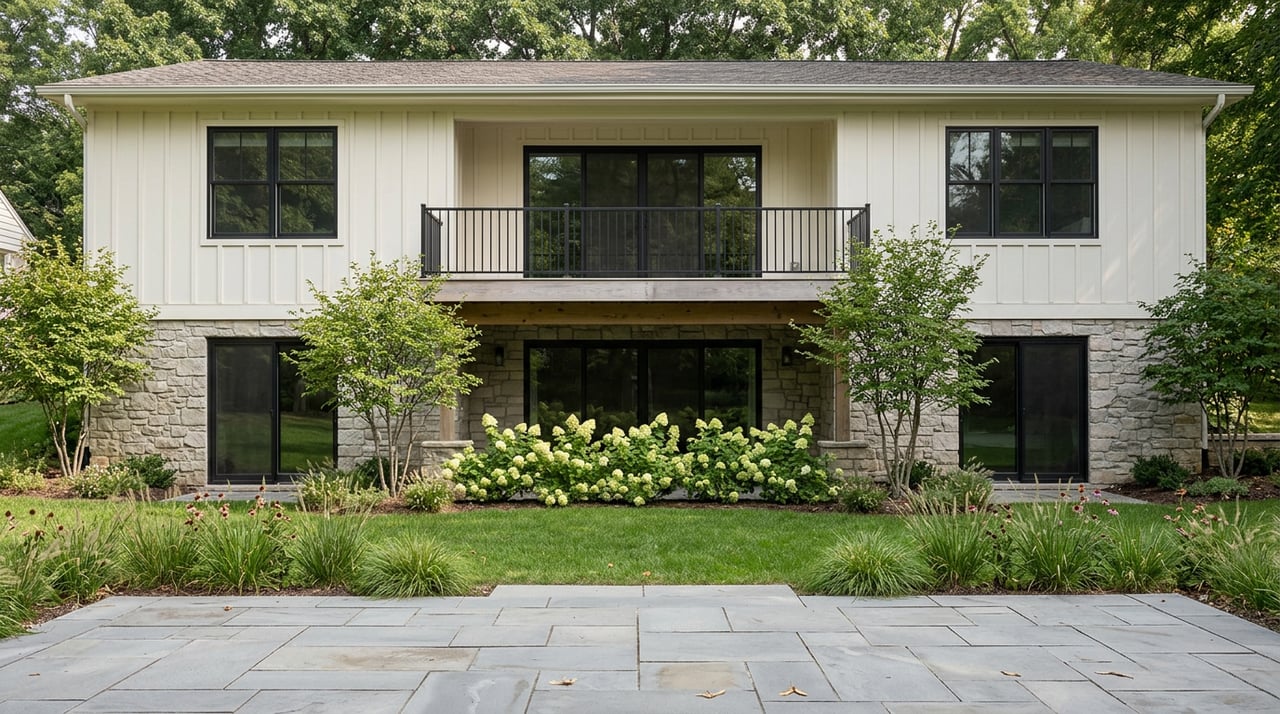
Typical styles include river‑view condos and townhomes near downtown, custom two‑stories and walkout ramblers along the river, and farmhouse, log, or modern ranch homes on wooded acreage. If you have a specific lifestyle in mind, a focused search strategy will help you move quickly when the right property appears.
Key rules that shape river and acreage lots
Waterfront and acreage parcels are shaped by a blend of state rules and local ordinances. Understanding these early helps you protect your timeline and budget.
Shoreland and floodplain basics
Minnesota’s shoreland and floodplain standards set minimums for lot size, setbacks, bluff protections, and elevations. As a reference point, statewide shoreland minimums often require at least 20,000 square feet for a riparian lot without public sewer and 10,000 square feet for a sewered riparian lot. Setbacks vary by waterbody classification. You can review the legal framework in Minnesota Administrative Rules, Chapter 6120.
Many Stillwater properties fall within local shoreland overlays. If a property lies in or near a mapped flood zone, your lender may require flood insurance. The City maintains revised flood maps and local contacts to help you verify panel and zone information.
Impervious surfaces, bluffs, and setbacks
To reduce runoff and protect water quality, many shoreland ordinances cap impervious coverage. The Minnesota DNR’s homeowner guidance notes that a typical cap is about 25 percent on shoreland lots, and local rules may be more restrictive. Bluff and steep‑slope protections limit where you can place homes, additions, stairs, and paths. Get familiar with the DNR’s shoreland owner guidance so your plans align with local standards.
Docks and shore work
Private docks are common along the St. Croix, but placement and size must meet navigation and habitat guidance. Smaller residential docks often do not require a state public‑waters permit if they meet size and safety guidelines, but all docks must comply with local rules and be placed only where you hold deeded rights or a recorded easement. Review the DNR’s dock and access guidance and verify any existing shoreline work, riprap, or platforms were permitted.
Septic, wells, and utilities: What to expect
Septic systems (SSTS) in Washington County
If a property is on private septic, Washington County generally requires a compliance inspection before most property transfers. Expect to see a Certificate of Compliance for passing systems or a Notice of Noncompliance with timelines for repair or replacement. Start with the County’s Septic (SSTS) program page and the adopted Chapter Four SSTS regulations to understand permits, forms, and timelines.
Site conditions like shallow bedrock, high water tables, or steep slopes can require specialized systems such as mounds or drip dispersal. For design criteria and installer guidance, see the MPCA’s SSTS program resources. Plan for design evaluations early to avoid schedule delays.
Private wells and water quality
For homes on private wells, ask for the well record and recent water tests. The Minnesota Department of Health recommends testing for total coliform bacteria annually and nitrates when relevant, with arsenic, manganese, iron, and other parameters as conditions suggest. PFAS testing is recommended in areas with known investigations or risk indicators. MDH explains testing and how to interpret results in its owner’s guide to well water quality and testing.
If a well is not in use or is abandoned, MDH requires proper sealing by a licensed contractor. Keep all lab reports and maintenance records with your closing documents.
Smart due diligence checklist
Use this short list as you structure your offer and inspection window:
- Title and access: request deeds, recorded easements, covenants, and any dock or shoreline rights. Confirm that a dock location is on property you own or have a recorded right to use.
- Survey and OHWL: order a boundary survey that shows the ordinary high water level, shoreland overlays, and any bluff impact zones. This clarifies true frontage and buildable area.
- Flood status: verify FEMA panel and zone, then discuss lowest‑floor elevation or mitigation if the lot is in a mapped flood zone. The City’s revised flood map page is a good starting point.
- Septic compliance: require a Washington County SSTS compliance inspection. Request pumping records, as‑builts, and any Notices of Noncompliance or Certificates of Compliance. Budget for design and permit timelines if upgrades are needed.
- Well testing: obtain the well log and confirm independent water testing for bacteria, nitrates, and other parameters as advised by MDH. Consider treatment or filtration if results indicate a need.
- Dock and shoreline work: confirm permits for existing riprap, platforms, or shoreline alterations. Ensure any dock meets size and navigation guidance and local rules.
- Soils, slopes, and drainage: schedule a site/soil evaluation where septic is involved. Steep slopes or high groundwater can increase system costs and influence home placement.
- Utilities and access: confirm electric service distance, driveway grade, and whether the road is public or private. Seasonal weight restrictions can affect heavy equipment deliveries, including septic installations.
Costs and timing to plan for
Waterfront and acreage deals often include a few line items that do not appear in a typical suburban purchase. The largest potential surprise is septic repair or replacement, which can range from several thousand dollars to tens of thousands depending on site constraints and system type. Washington County’s Community Development Agency lists home improvement and septic assistance programs that may help qualified owners.
Private well updates and water treatment systems are additional considerations. If a lender requires flood insurance or you choose it for peace of mind, add that premium to your annual budget. When a property needs permits or septic work, build extra time into closing to coordinate design, approvals, and contractor schedules.
Cross‑state shopping tips (MN ↔ WI)
Many buyers compare Stillwater to Wisconsin river communities like Hudson. Keep in mind that shoreland rules, minimum lot sizes, setbacks, and permit pathways differ by state and county. Minnesota’s standards are outlined in Chapter 6120, and Wisconsin counties maintain their own versions. Taxes, utilities, and insurance can also change across a state line, so include those in your total cost comparison.
Your next step
If you want waterfront access, elbow room, or both, a clear plan is your advantage in this competitive niche. From shoreland overlays and flood maps to septic design and dock rights, having an experienced local advisor saves time and reduces risk. When you are ready to refine your search or pressure‑test a property’s feasibility, connect with Matthew Vorwerk for calm, data‑driven guidance tailored to your goals.
FAQs
What makes Stillwater waterfront different from typical lake markets?
- The St. Croix River corridor blends downtown amenities with navigable water, public launches, and marinas, so you balance private shoreline with robust public access and river navigation rules.
How do shoreland rules affect a remodel or new build in Stillwater?
- Minimum lot sizes, structure setbacks from the ordinary high water level, bluff protections, and impervious limits guide where and how you can build; local ordinances can be stricter than state minimums.
What should I know about septic inspections in Washington County?
- A compliance inspection is generally required before most transfers; you will want a Certificate of Compliance or a clear plan and timeline to address any Notice of Noncompliance.
How can I verify private dock rights on the St. Croix?
- Review the deed and any recorded easements for shoreline and access rights, then confirm the dock meets state navigation guidance and local ordinances.
How do I check if flood insurance will be required for a Stillwater home?
- Identify the FEMA panel and zone and consult the City’s revised flood maps; if the structure is in a Special Flood Hazard Area, lenders typically require flood insurance.
What well tests should I request before closing on acreage?
- At minimum, test for total coliform bacteria and nitrate, and consider arsenic, manganese, iron, and other parameters; ask about PFAS where state agencies indicate elevated risk.