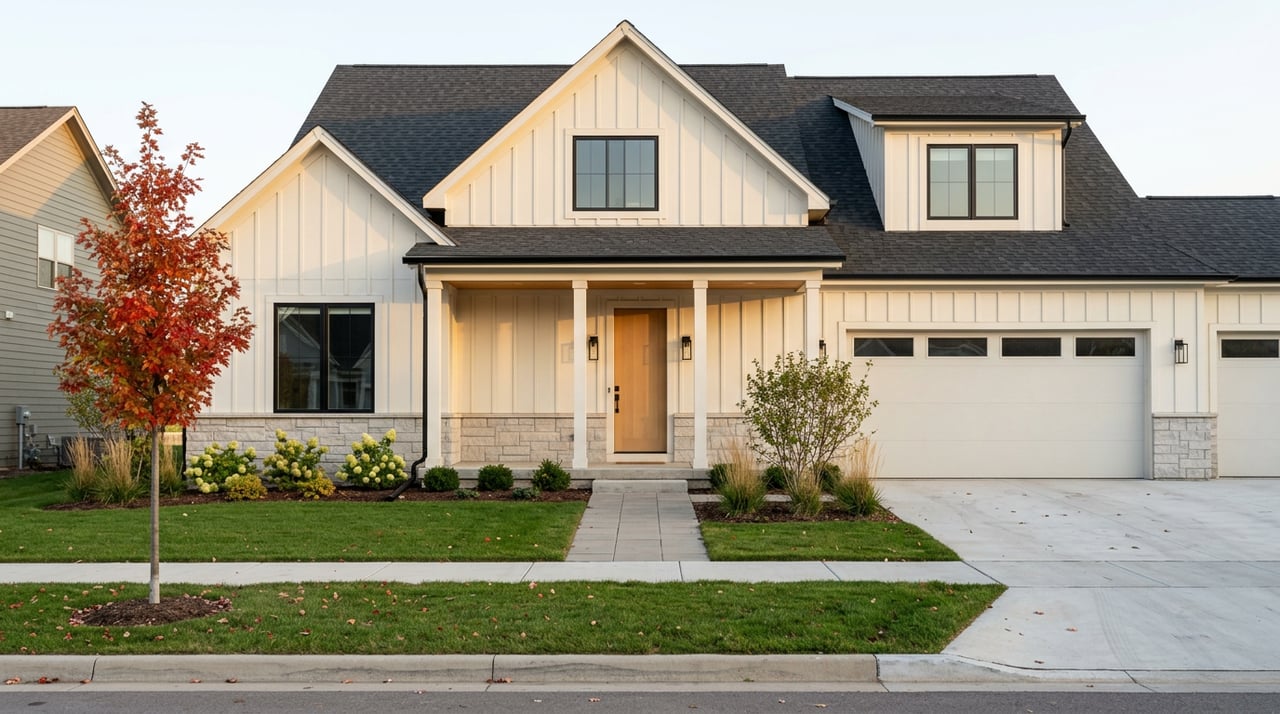
Trying to make sense of Lake Elmo’s new neighborhoods? You have plenty of choice, from low‑maintenance townhomes to golf‑course villas and luxury single‑family homes. The key is knowing where projects are happening, what lot sizes and rules shape each community, how pricing and HOAs work, and what timelines to expect.
In this guide, you’ll get a clear picture of active developments, zoning basics that affect lot size and design, typical price bands, build timelines, and buyer protections in Minnesota. You’ll also find a practical checklist to help you compare communities with confidence. Let’s dive in.
What’s building in Lake Elmo
Lake Elmo continues to add thoughtfully planned neighborhoods with a mix of townhomes, villas, single‑family homes, 55+ options, and new apartments. The City’s tracker is the best snapshot of what is platted, under review, or under construction. You can browse current activity on the City of Lake Elmo Development Projects page, which lists projects like Amira (55+), M/I Homes’ Inwood Townhomes, North Star, Prairie Sky twin homes, and Bridgewater Village along with new multifamily such as The Dorian. See the latest on the City’s authoritative Development Projects page.
Builders and example communities include:
- Royal Club by Lennar. A master‑planned golf community with villa and single‑family collections designed for move‑ups and downsizers who want low‑maintenance living or golf‑adjacent homes. Pricing examples on the builder site range from the upper tiers, often starting in the $800Ks with luxury options over $1M depending on the collection. Explore current offerings on the Lennar Royal Club page.
- Inwood Townhomes by M/I Homes. A large townhome community offering 2–4 bedroom, low‑maintenance living that suits busy households and commuters. Builder marketing shows entry pricing in the high $300Ks. View floor plans and features on the Inwood Townhomes page.
- Prairie Sky Twin Homes by Landucci. Twin‑home living aimed at mid‑market buyers who want the feel of a new home with less exterior upkeep. Learn more about the product on the Prairie Sky Twin Homes page.
- The Dorian by Roers Companies. A new apartment project that reflects growing multifamily options in Lake Elmo, planned at roughly 190 units. See the concept overview on Roers Companies’ project page.
Always check the City’s page for the most current plat approvals, phasing, and construction status. Neighborhoods build out in phases over several years.
Neighborhood types and who they fit
- Townhomes. Lower‑maintenance living with shared exterior care and smaller yard areas. Good for buyers who value convenience and predictable upkeep.
- Villas and paired homes. Often one‑level living or main‑level owner’s suites with association‑maintained exteriors. A match for downsizers or anyone prioritizing simplicity.
- Single‑family in masterplans. Mix of lot sizes, trail systems, and amenities. Works well for move‑up buyers and households wanting neighborhood continuity and new systems.
- Active‑adult (55+). Age‑targeted designs that typically emphasize single‑level plans and services.
- Multifamily apartments. Useful for renters positioning for a future purchase or for local investors tracking neighborhood absorption and nearby retail growth.
Lot sizes and zoning basics
Lake Elmo’s zoning sets the framework for lot sizes, building footprints, and what you can expect in each district. In the Village/Mixed‑Use district, minimum lot areas enable compact townhome, villa, and neighborhood‑scale single‑family options. The City’s ordinance shows typical minimums such as approximately 5,000 square feet for single‑family detached, about 2,500 square feet per unit for single‑family attached, and roughly 1,800 square feet per unit for multifamily. You can see the specific minimums in the City’s Minimum Lot Size Ordinance document.
In master‑planned communities, “villa” lots often appear in the 55–65 foot width range, with total lot areas around 6,600 square feet for some phases, aligning with low‑maintenance, single‑level or main‑level‑living products. Developers may plan larger lots than the minimums depending on the phase and product mix.
What this means for you:
- Townhomes/attached homes. Smaller, more efficient lots translate to compact private yards and shared common areas.
- Villas/smaller single‑family. Comfortable yard space with less exterior maintenance; spacing and setbacks vary by phase.
- Estate/custom lots. Larger footprint and more privacy if located outside compact districts. These are less common in new plats but can be found in established areas and select releases.
Shoreland and lakeside considerations
Shoreland management adds another layer of rules for lots near lakes and waterways. Riparian lots typically carry larger minimum areas, deeper setbacks from the ordinary high water level, and stricter impervious surface limits. Depending on the waterbody’s classification, riparian single‑family minimums can range from about 20,000 to 40,000 square feet. Review the City’s Shoreland Management Overlay District code if you are considering lake‑adjacent property or a neighborhood that includes shoreland.
Prices and what drives cost
Entry pricing for Lake Elmo’s new townhomes often starts in the high $300Ks based on builder marketing for Inwood Townhomes. See current offerings on the Inwood Townhomes page.
In master‑planned golf‑course communities like Royal Club, villa and single‑family collections commonly start in the $800Ks, with larger single‑family homes and premium locations exceeding $1M depending on size, finishes, and lot choice. Explore examples on the Lennar Royal Club community page. Always verify current pricing and availability for the specific phase or release you are considering.
Beyond base price, budget for:
- Lot premiums for golf views, cul‑de‑sacs, larger yards, or walkout basements.
- Design options and upgrades like kitchen packages, fireplaces, and exterior materials.
- Landscaping, window treatments, and fencing, which can be builder inclusions or add‑ons.
- HOA dues. In Lake Elmo, many townhome, villa, and master‑planned communities include a mandatory HOA. Examples across communities show monthly dues often in the range of about 70 to 175 dollars depending on what is covered and the amenity level. Always request the current budget, reserves, and management details before you buy.
- Special assessments. Ask whether the plat or your lot is subject to any special assessments for infrastructure and how those are billed over time. For local guidance, review the City’s page on Property Tax Valuations and Assessments.
Build timelines and phasing
If you choose a spec or quick‑move home already underway, your timeline could be a few weeks to a few months depending on stage of completion. For a ground‑up build with a production builder, the industry baseline is often about 7 to 10 months from permit to completion, while custom builds typically take longer. Multifamily buildings take longer than single‑family due to scale. For a national view of recent completion times, see the NAHB summary covered by ProBuilder’s analysis of single‑family construction timelines.
Lake Elmo’s master‑planned neighborhoods build out in phases over several years. The City’s development files and PUD packets outline expected street, utility, and trail work schedules by phase. You can monitor phase status on the Development Projects page.
HOAs, covenants, and your protections
Most new townhome, villa, and master‑planned neighborhoods in Lake Elmo have mandatory HOAs governed by recorded covenants, conditions, and restrictions. In Minnesota, many modern common interest communities are covered by the Minnesota Common Interest Ownership Act, which sets disclosure and governance rules. Before you buy, request the declaration, bylaws, current operating budget, most recent financials, any reserve study, and recent HOA meeting minutes. For consumer guidance, visit the Minnesota Department of Commerce page on CIC resources and MCIOA.
Minnesota also provides a statutory new‑home warranty that protects you after closing. Under Chapter 327A, warranties generally include 1 year for workmanship and materials, 2 years for plumbing, electrical, and HVAC systems, and 10 years for major structural defects. Review the full statute text at Minnesota Statutes Chapter 327A and compare it to any builder‑provided warranty.
How to compare communities
Use this quick checklist to evaluate fit, value, and risk:
- Confirm the phase. Ask which plat and phase your lot is in and request anticipated horizontal work timing and vertical build schedule in writing. Check the City’s Development Projects page for approvals and updates.
- Verify the lot. Get the lot footprint, orientation, grading plan, utility easements, and locations of outlots or drainage. City plat maps and site plans are the source of truth.
- Understand the rules. Request the recorded CC&Rs, bylaws, architectural guidelines, and HOA budget. If the association is still developer‑controlled, ask when homeowner control transfers and how reserves are being funded. See state guidance on MCIOA and consumer disclosures.
- Check warranty details. Compare the builder’s warranty to Minnesota Statute 327A. Log issues in writing and schedule a near‑anniversary warranty inspection.
- Plan inspections. Even new homes benefit from third‑party inspections before your final walk‑through and again around the 11‑month mark.
- Know the overlays. If you are considering a lake‑adjacent lot, review the City’s Shoreland Management Overlay rules for setbacks and impervious limits.
- Watch infrastructure. New retail, schools, or arterial improvements can add long‑term convenience. Expect some temporary construction activity as phases build out. Track projects via the City’s Development Projects page.
- Consider school district context. Many Lake Elmo neighborhoods are served by Stillwater Area Public Schools. District planning and bond projects may shape future facilities and traffic patterns. For context on recent projects, review the district’s bond information page. Confirm attendance areas directly with the district.
Next steps
If you want the convenience of a townhome, the ease of a villa, or the space of a single‑family home, Lake Elmo offers strong options across budgets and lifestyles. Start by clarifying your must‑haves, then compare phases, lot types, HOA structures, and timelines. Finally, walk a few model homes across different communities so you can feel the floor plan, finishes, and neighborhood setting firsthand.
When you are ready, connect for local guidance on pricing, phase timing, and builder processes. You will get neighborhood‑level insight paired with clear, step‑by‑step support from offer to closing. Reach out to Matthew Vorwerk to get started.
FAQs
How long does a Lake Elmo new build usually take?
- For a ground‑up production build, plan about 7 to 10 months from permit to completion, while quick‑move homes can be ready in weeks to a few months depending on stage.
What HOA costs should I expect in new Lake Elmo neighborhoods?
- Many townhome, villa, and master‑planned communities have mandatory HOAs, with examples commonly around 70 to 175 dollars per month depending on services and amenities.
How do Lake Elmo lot sizes affect my options?
- Zoning minimums allow compact townhome and villa lots in mixed‑use districts, while larger single‑family or shoreland lots require more land and deeper setbacks, which shapes yard size and privacy.
What drives price differences between communities?
- Base price, lot premiums, plan size, structural options, interior upgrades, and HOA amenities all contribute, along with golf or water proximity and whether the home is a spec or custom build.
What should I review before buying into an HOA community?
- Request the recorded CC&Rs, bylaws, current budget, financials, any reserve study, recent meeting minutes, and the timeline for transfer from developer to homeowner control.
What protections do Minnesota buyers have on new construction?
- Minnesota’s new‑home warranty statute provides 1‑, 2‑, and 10‑year protections for workmanship, key systems, and major structural defects in addition to any builder warranty.