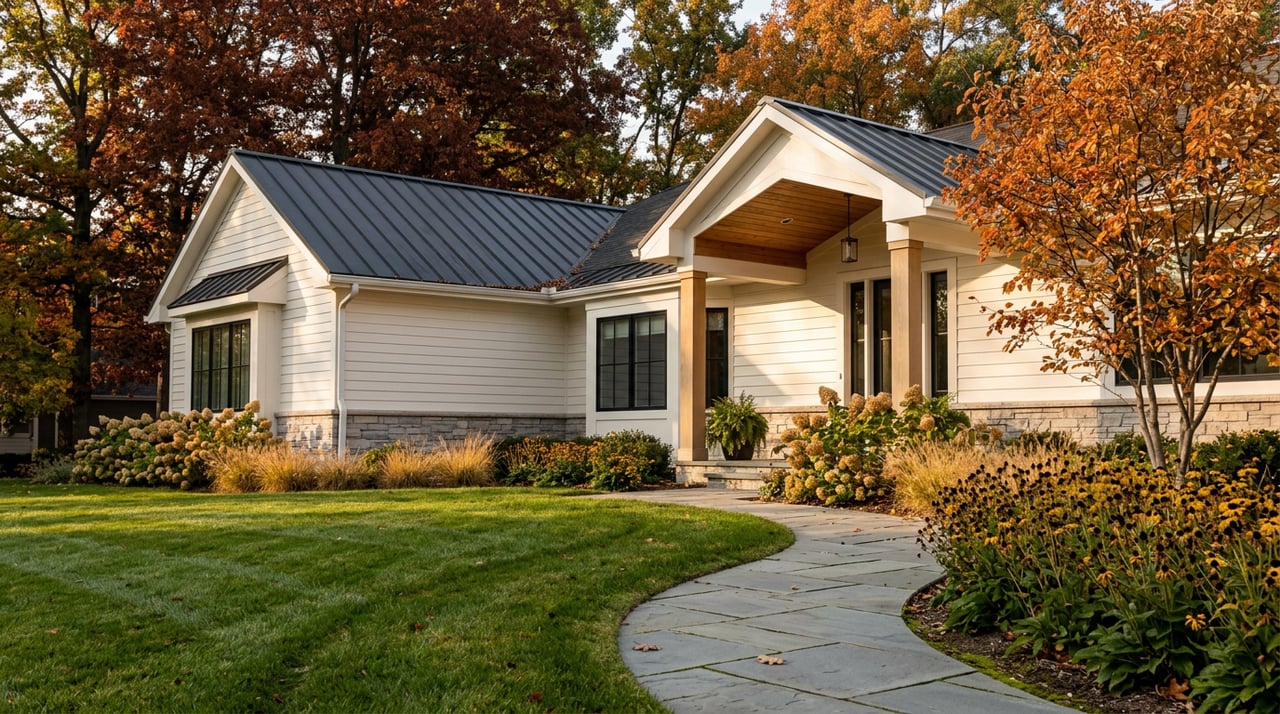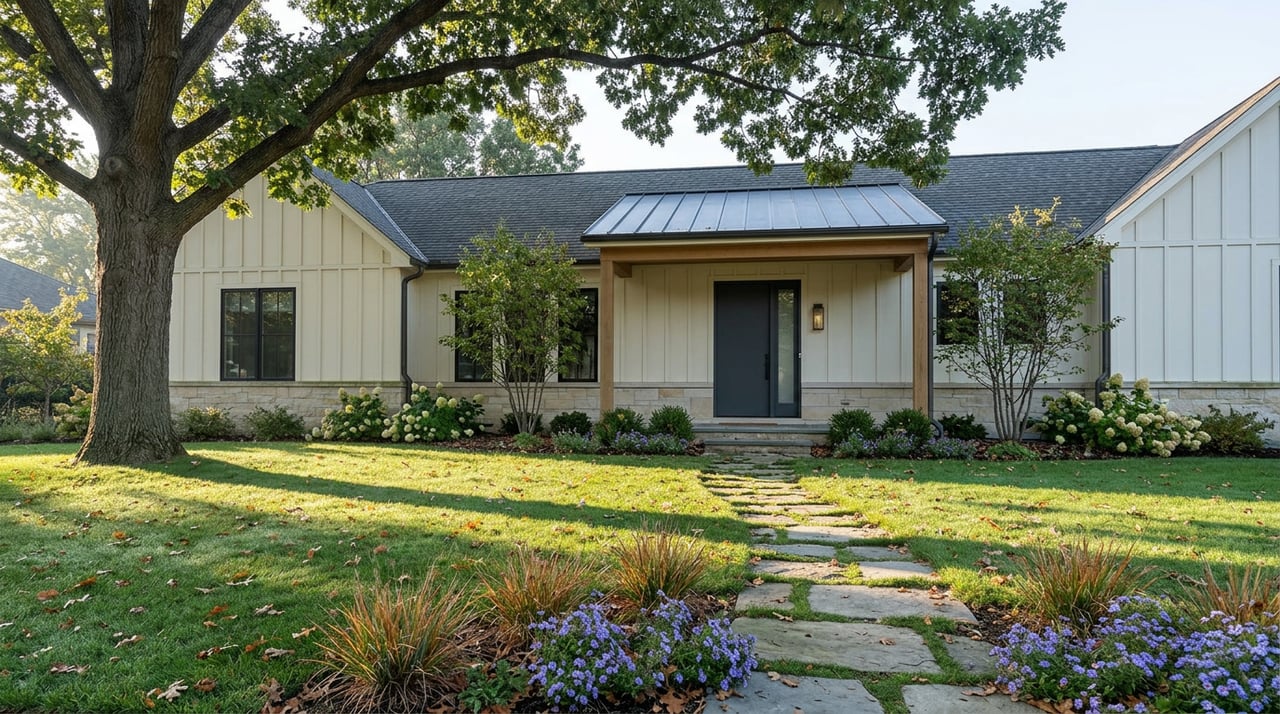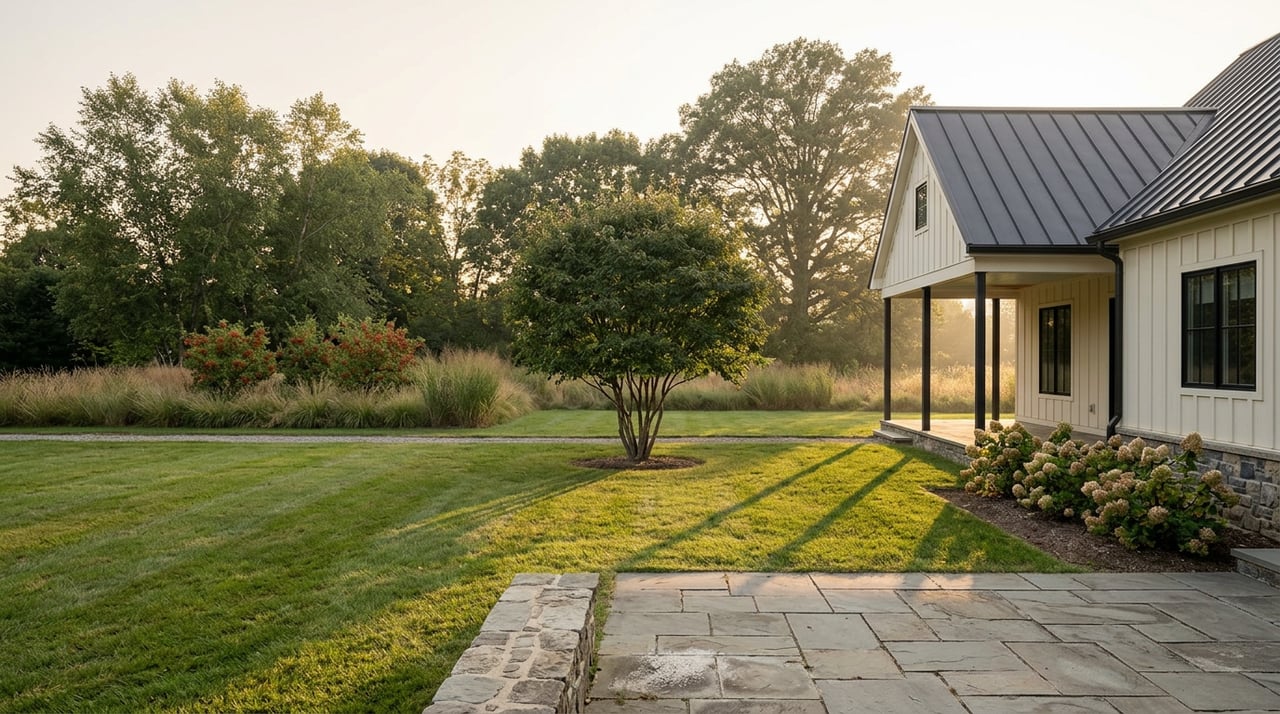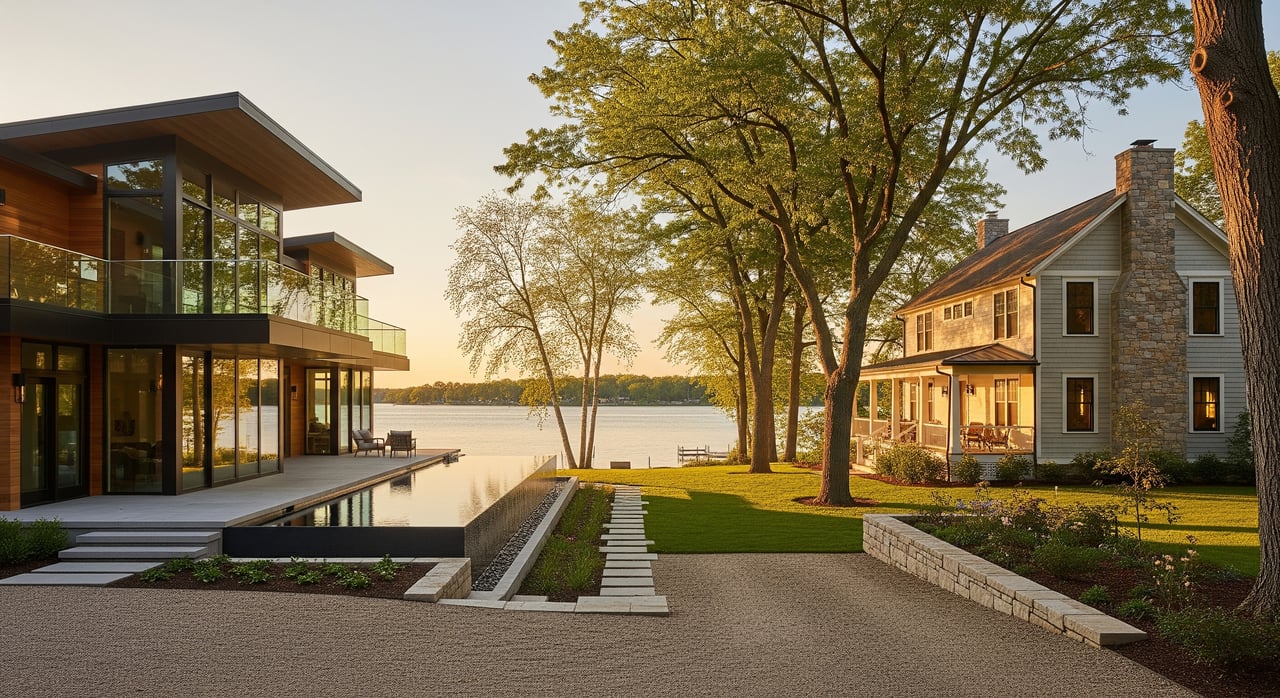
Are you weighing the convenience of a turnkey new build against the charm and value of a resale home in Lake Elmo? You want the right fit for your family, your budget, and your timeline, but the local details can feel overwhelming. In this guide, you’ll get clear steps to compare costs, timelines, lot premiums, warranties, and negotiation strategies specific to Lake Elmo and Washington County. You’ll also get a practical model‑tour checklist and a decision framework designed for move‑up buyers. Let’s dive in.
Lake Elmo context that matters
Location and rules shape choices
Lake Elmo blends established neighborhoods, lakefront and rural lots, and newer planned communities. That mix gives you options, but local rules matter. Shoreland and wetland protections, setback requirements, and utility connections can change both timing and cost, especially near lakes or low‑lying areas. Some homes connect to sanitary sewer while others rely on septic, which can influence both lot feasibility and long‑term maintenance.
City permitting and environmental reviews can add time if plans are not fully complete. In established neighborhoods, you’ll often find mature trees, built‑out parks and sidewalks, and known traffic patterns. Newer subdivisions may need time for amenities to be completed and for retail to catch up.
Seasonality and timing
Minnesota winters slow exterior work such as concrete, roofing, and landscaping. Builders often schedule interior work for winter months and plan exterior phases during the construction season. If you are counting on a specific move‑in date, build in extra time for weather and trades scheduling.
Where to verify local facts
Before you commit, confirm details with local sources. The City of Lake Elmo Planning and Building teams can outline permit timelines, zoning, and shoreland rules. Washington County Assessor and Environmental Services provide parcel data, assessments, and septic or utility information. NorthstarMLS and Minnesota REALTORS offer market statistics and comparable sales. For schooling, verify district boundaries on official school district websites for the specific address.
Build timelines in Lake Elmo
Spec, production, and custom
- Spec homes: Already framed or finished. Fastest route to closing among new builds.
- Production homes: You choose a plan and options from a builder’s catalog. Typical timelines vary by builder backlog and permitting.
- Custom homes: Design‑driven and longest timeline because of engineering, permits, and bespoke trades.
Typical steps and ranges
Exact dates vary by builder, lot, and season, but these are common ranges:
- Pre‑contract and lot selection: days to weeks.
- Plan finalization and contract: 2 to 6 weeks, depending on selections and builder process.
- Permits and site prep: 2 to 8 or more weeks, longer if wetlands or shoreland reviews are involved.
- Construction: a few months for a spec home to roughly 6 to 12 or more months for production or custom builds.
- Final inspection and punch list: days to weeks to secure occupancy and complete corrections.
Common delay drivers
Expect slower progress during winter. Frozen ground affects concrete and landscaping. Wetland or shoreland buffers can extend site plan approvals. Popular builders and trades sometimes have backlogs, especially for cabinetry or HVAC. Permits can stall if applications are incomplete or if engineering comments require revisions.
How to verify a realistic schedule
- Ask the builder for a written schedule with milestones and stated allowances for weather and permitting delays.
- Request the builder’s average days to close for their last several Lake Elmo homes.
- Call the Lake Elmo planning and building department to confirm typical permit review times for your lot and project type.
Warranty and service differences
What new homes typically cover
Most production builders offer a layered warranty structure. A short‑term workmanship warranty commonly covers materials and workmanship issues for the first year. A mechanical systems warranty often extends to year two on items like HVAC, plumbing, and electrical. A structural warranty, sometimes up to ten years, usually covers major structural defects. Terms vary by builder and third‑party warranty provider, so always review the full documents before signing.
What to expect with resale
Resale homes are typically sold “as‑is” unless the contract specifies repairs or the seller provides a home warranty. Your inspection matters. You can negotiate repairs or credits before closing, but after you take ownership most issues become your responsibility. You can choose to purchase a separate home warranty policy for systems and appliances.
Practical steps to protect yourself
- Get full warranty documents in writing before you sign a new‑build contract and note exclusions.
- Ask for examples of recent warranty claims and typical response times.
- For resales, schedule a thorough inspection and consider a 1 to 2 year home warranty for covered systems.
Lot premiums and how to judge them
What drives premiums locally
A lot premium is a price add‑on for desirable locations or features. In Lake Elmo, walkout basements, larger or more private lots, cul‑de‑sac locations, favorable orientation, and proximity to water or panoramic views often command premiums. Easements or restrictions that limit usable space can reduce a premium.
Deciding if a premium is worth it
Compare total cost, not just base price. Add the base house price, lot premium, upgrades, landscaping, and any applicable assessments. Then compare that all‑in number to similar resales and to the cost of buying a resale and renovating. Consider long‑term value. Walkout basements and larger lots can help resale appeal in the Twin Cities, but payback depends on neighborhood comparables and buyer demand at resale.
Research steps before you commit
- Review recent comparable sales for similarly sited homes using local MLS data and county records.
- Ask the builder for sales history of similar lots and any differences between list and closed prices.
- Read community covenants for design limits, landscaping rules, and future development that could affect privacy or views.
- Verify tax impacts and any special assessments for roads, utilities, or district fees tied to the lot.
Negotiation dynamics: new vs resale
Builder levers you can pull
Builders may protect base pricing on popular plans, but they often negotiate with incentives. You might secure closing cost contributions, interest rate buydowns, appliance or landscaping packages, or design upgrades. Lot premiums can be more flexible on remaining lots or spec homes nearing completion. Many builders avoid home sale contingencies, though some will consider them with adjusted terms.
Seller levers on resales
Resale sellers often negotiate on price, depending on days on market, condition, and overall demand. Inspection findings can lead to repairs or credits. Appraisal, financing, and home sale contingencies are common in resale negotiations and can help you manage risk.
Timing your ask
Market conditions set leverage. When inventory is tight and demand is high, builders and sellers hold more power. During slower seasons, such as late fall and winter, incentives and flexibility can improve. For new builds, align your ask with the builder’s fiscal calendar and inventory goals, but weigh the reality that winter can slow exterior completion.
A decision framework for move‑up buyers
Define your priorities
Clarify your timeline, desired level of customization, and budget. Decide if you prefer presets with limited choices or want full design control. Consider location needs, daily commute, and proximity to amenities. If schools are a factor, verify district boundaries for each address on official sites.
Compare the money side
For new construction, total the base price, lot premium, upgrades, landscaping, assessments, projected property taxes, and closing costs. For resales, add the purchase price, immediate maintenance, renovations, and closing costs. Include any carrying costs if you need temporary housing or bridge financing due to timing.
Understand the risks
New builds carry risks like construction delays, change orders, and punch list items. Resales can come with hidden defects or near‑term repairs. Mitigate risk with independent inspections for both paths, clear contract language, and escrow arrangements for major items.
Think about long‑term value
Mature neighborhoods offer established amenities and known patterns. Newer communities evolve as amenities build out. Check municipal planning maps for nearby parcels to understand future roads, density, and retail. Choose the setting that fits your long‑term plan.
Model‑tour checklist for Lake Elmo builds
Use this on your next tour to compare builders and homes side by side.
- Structure and envelope
- Foundation type, drainage plan, and whether walkouts require engineered retaining walls.
- Insulation levels, window U‑factors, and HVAC efficiency; request specification sheets.
- Siding and roofing materials and expected maintenance.
- Mechanicals and systems
- HVAC brand and size; location of equipment for service access.
- Water heater type, location, and warranty terms.
- Electrical panel capacity and conduit for a future EV charger.
- Finishes and workmanship
- Cabinet installation quality, tile grout lines, trim alignment, and door fit.
- Flooring transitions and underlayment details in a completed spec home.
- Ask to see homes at different stages to judge consistent quality.
- Site and drainage
- Grading plan, stormwater management, and landscaping timeline.
- Lot slope, tree preservation, and proximity to wetlands or water features.
- Community and HOA
- Covenants, expected dues, and what services are included.
- Timing for parks, trails, and other amenities; ask about any planned assessments.
- Warranty and service
- Written warranty terms, who administers claims, and response timelines.
- Contact information for the builder’s warranty or owner services team.
- Energy and durability
- Air sealing practices, ERV or HRV systems, and smart thermostats.
- Any third‑party inspections or certifications provided by the builder.
- Money and timeline
- Sample purchase contract, deposit schedule, and change order policy.
- Closing window, allowed contingencies, and any builder incentives in writing.
After the tour, request references from recent buyers, including someone who has filed a warranty claim. Compare each builder’s inclusions and upgrade prices against a written spec sheet. If you are also considering a resale, schedule an inspection and get firm estimates for any renovation work you would want.
Final thoughts
New construction gives you modern systems, lower near‑term maintenance, and tailored finishes, but it can take longer and costs can rise with lot premiums and upgrades. Resale homes can offer faster timelines, mature settings, and potential value, but you take on more immediate maintenance risk. When you compare full costs, timing, and your tolerance for customization and service, you’ll land on the right fit for your family.
If you want help mapping options in Lake Elmo and Washington County, connect with a local advisor who understands the nuances of permits, seasonality, and comparable sales. Reach out to Matthew Vorwerk for a clear, step‑by‑step plan tailored to your move.
FAQs
Do builders in Lake Elmo allow home sale contingencies?
- Many production builders prefer buyers without contingencies, but some will allow them with negotiated terms or timelines, so confirm before making an offer.
Should I hire an inspector for a new build in Lake Elmo?
- Yes; independent inspections at pre‑foundation, pre‑drywall, and final stages help identify issues early and support warranty claims.
Are lot premiums negotiable or refundable in new construction?
- Lot premiums can be negotiable on remaining inventory or near‑complete spec homes and are rarely refundable after contract unless agreed in writing.
How do property taxes compare for new builds versus resales in Washington County?
- New builds may be assessed differently at first; verify estimates with the county and include taxes in your total cost comparison.
Are there special assessments or utility hookup fees in Lake Elmo?
- There can be local special assessments or connection fees; verify specifics with the City of Lake Elmo and Washington County before you commit.