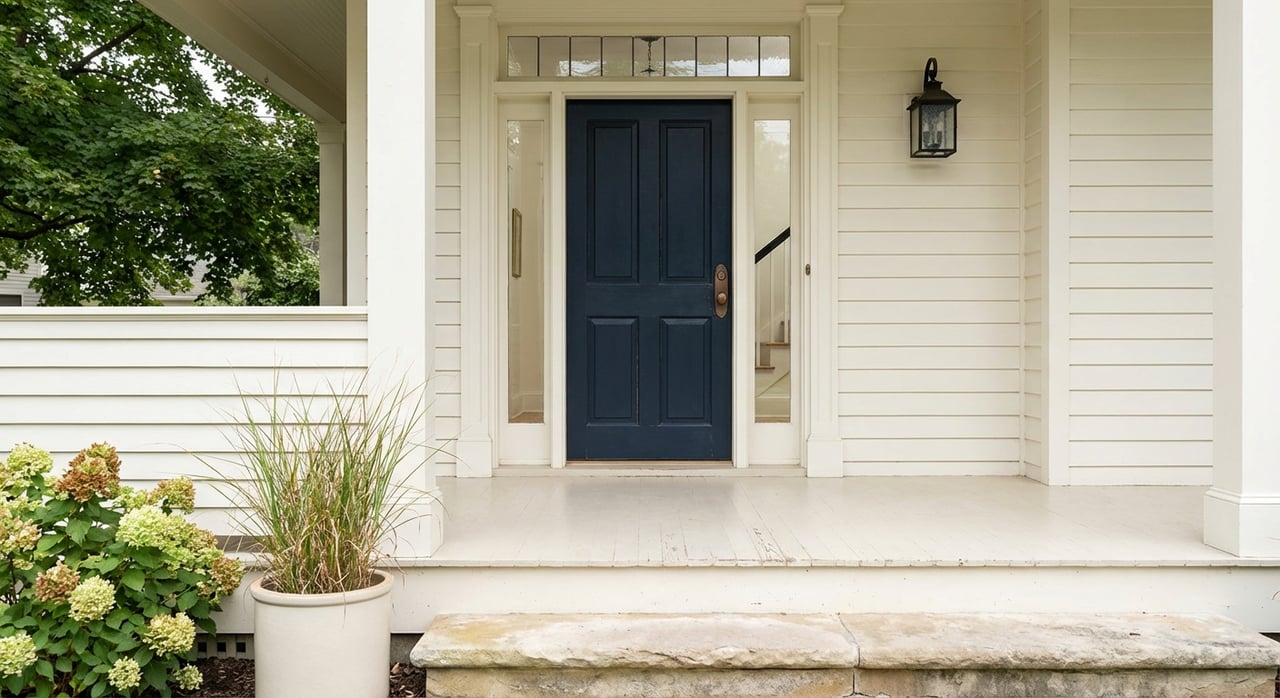
Thinking about selling your historic Stillwater home? You likely love its woodwork, windows, and river-town character, but you may also wonder about permits, inspections, and what buyers expect. With the right plan, you can honor the home’s story and move confidently toward a successful sale. In this guide, you’ll learn the key rules, smart prep steps, pricing strategy tips, and how to market a character property in Stillwater. Let’s dive in.
What “historic” means in Stillwater
Stillwater has a remarkable concentration of 19th- and early‑20th‑century homes. The city recognizes that character through programs, neighborhood studies, and design review. If you’re planning to tell your home’s story in the listing, the city’s Heirloom Homes & Landmark Sites program is a great place to start for background and recognition options. Explore the program details on the city’s page for the Heirloom Homes & Landmark Sites program.
Rules that can affect your sale
Before you make exterior updates or set expectations with buyers, understand how Stillwater’s preservation rules work.
Design review and permits
Exterior work in designated review areas often requires design permitting and Heritage Preservation Commission (HPC) review. This can include rehabilitation, additions, and some new construction. The city encourages you to consult planning staff early and allow time for review hearings if needed. See the city’s design review districts overview for boundaries and process.
Demolition limits for pre‑1946 exteriors
The city generally prohibits exterior demolition of structures built before 1946. Partial removals or major exterior changes can trigger demolition permits and HPC review. If you plan any exterior work before listing, confirm what is allowed and build the review timeline into your schedule. Read the city’s demolition permitting guidance.
Adaptive reuse and the HPUV pathway
If a property is listed on the National Register, the city’s Heritage Preservation Use Variance (HPUV) can allow certain nonresidential uses when appropriate. This is valuable if you or a buyer are exploring adaptive reuse ideas. The process requires HPC findings and formal approvals. Get an overview on the city’s HPUV process page.
Pricing a character property
Many studies find that historic homes in well‑regarded areas can sell at a modest premium, but results vary by city, designation type, and neighborhood context. The safest approach is to price using nearby historic or comparable character properties, then adjust for needed system upgrades and any design‑review constraints. For a deeper look at how preservation interacts with value, see this research summary from Columbia’s Preservation program, Preservation and the New Data Landscape.
A local market analysis should:
- Pull comps from the same neighborhood and condition tier.
- Itemize expected upgrades buyers may request, like electrical or plumbing.
- Highlight preserved features that add appeal and reduce buyer uncertainty.
Disclosures and inspections to handle early
Reducing surprises is key when selling an older home. Plan to disclose clearly and provide documentation up front.
Lead‑based paint requirements
For housing built before 1978, federal law requires you to provide buyers with the EPA/HUD lead pamphlet, a lead disclosure, and any records you have. Buyers must also be given a 10‑day inspection opportunity unless both parties agree otherwise. Review the EPA’s lead disclosure rules.
Radon in Minnesota
Minnesota’s Radon Awareness Act requires sellers to disclose any knowledge of radon tests, mitigation, or systems and to provide the state’s radon publication before signing a purchase agreement. Learn more from the Minnesota Department of Health’s radon information.
Pre‑listing inspections that matter
A proactive inspection plan helps you negotiate once, not twice. Strong candidates include:
- Full home inspection covering structure, HVAC, plumbing, and roof.
- Targeted electrical evaluation to identify knob‑and‑tube wiring, undersized service, or obsolete panels. These issues commonly affect insurance and lending. See insights on older‑home systems from homeinspector.org.
- Chimney and fireplace check, plus a sewer scope if the line is older.
- Radon test and, where materials look suspect, limited lead or asbestos sampling.
Insurance carriers sometimes require replacement of certain systems before issuing or renewing coverage. Getting an electrician’s evaluation early can save you time and keep negotiations on track.
Smart repairs and preservation choices
Prioritize life‑safety and weather‑tight systems first. Fix roofing, gutters, drainage, heating, and electrical issues before you invest in cosmetic updates. This order of operations aligns with the Minnesota Historical Society’s guidance on addressing underlying problems first. Explore MNHS’s rehabilitation guidance.
When you touch visible character features like windows, porches, and trim, follow best practices that favor repair over replacement and compatible, reversible updates. That approach aligns with the Secretary of the Interior’s Standards for Rehabilitation, the national benchmark used for certified projects.
Thinking about incentives? Minnesota’s State Historic Preservation Office notes that federal and state historic rehabilitation tax credits generally target income‑producing properties. Owner‑occupied single‑family homes typically do not qualify. Confirm eligibility with MN SHPO and a tax advisor before you plan a project around incentives. Start with MN SHPO’s incentives overview.
Marketing the story, not just the structure
Historic buyers value clear, documented provenance. Build a concise house history and show care for original materials in your listing description and visuals. The city’s Heirloom Homes & Landmark Sites program can add recognition and context, which you can reference in your marketing. See program details on the Heirloom Homes & Landmark Sites page.
Highlight features buyers notice first: entry sequence and porch condition, original millwork, staircase details, period‑appropriate lighting, and window integrity. Pair those with documentation on upgrades that reduce risk, like a recent electrical panel, chimney liner, or drain repairs. This blend of story and substance helps your home stand out.
Pre‑listing checklist for Stillwater historic sellers
Use this quick checklist to streamline prep and reduce renegotiation.
Documents to gather
- Prior permits, certificates of occupancy, and service records for mechanicals.
- Any radon or lead test results, plus other relevant inspection reports.
- Contractor estimates for likely buyer concerns, such as rewiring, roofing, foundation, or drains.
- Warranty info for replaced systems and photos that document original features.
Inspections to complete
- Full home inspection and radon test.
- Targeted electrical evaluation, chimney/fireplace check, and sewer scope where lines are older.
- Limited lead or asbestos sampling if materials appear suspect or renovations occurred.
Permits and process
- If exterior work is planned pre‑listing, confirm whether your property is in a design review district and schedule a conversation with City planning staff.
- Understand demolition limits for pre‑1946 exteriors and whether HPC review applies.
- If a buyer might pursue a nonresidential use, flag the HPUV process early.
Pricing approach
- Use comps from the same neighborhood and condition tier.
- Adjust for required system upgrades and note preserved features as value points.
Insurance and financing readiness
- Ask your insurer about older wiring or system requirements and timeline for updates.
- Keep electrician or contractor statements ready to share with buyers and lenders.
Presentation and marketing
- Stage to emphasize natural light and original materials.
- Use concise history notes and clear repair documentation in your listing packet.
When to bring in a local expert
A Stillwater‑savvy agent can help you navigate design review questions, line up pre‑application guidance with City staff, select the right comps, and present your home’s history to the right buyer pool. If you are considering any exterior work before listing, start by reviewing the city’s design review districts and then set a timeline that fits the HPC process.
Ready to position your historic Stillwater home for a confident sale? Reach out to Matthew Vorwerk to talk strategy, presentation, pricing, and next steps.
FAQs
Stillwater historic homes: Do I need HPC approval for exterior work?
- If your home is in a design review district, many exterior changes require an HPC design permit, so contact City planning early to confirm scope and timing.
Stillwater sellers: Are demolitions allowed for pre‑1946 exteriors?
- The city generally prohibits exterior demolition for structures built before 1946; partial removals can require permits and HPC review, so verify before planning work.
Historic home pricing: Do designations hurt or help value?
- Studies show mixed results, with many finding neutral to modest positive effects; price with local comps and adjust for system upgrades and review constraints.
Minnesota sellers of pre‑1978 homes: What lead rules apply?
- You must provide the EPA/HUD lead pamphlet, a lead disclosure, any records you have, and allow a 10‑day inspection window unless both parties agree otherwise.
Minnesota radon disclosure: What do I provide buyers?
- Disclose what you know about radon tests, mitigation, or systems and give buyers the state radon publication before signing a purchase agreement.
Owner‑occupied historic homes: Can I use tax credits?
- Federal and state rehabilitation tax credits generally target income‑producing properties; owner‑occupied single‑family homes typically do not qualify, so confirm with MN SHPO.